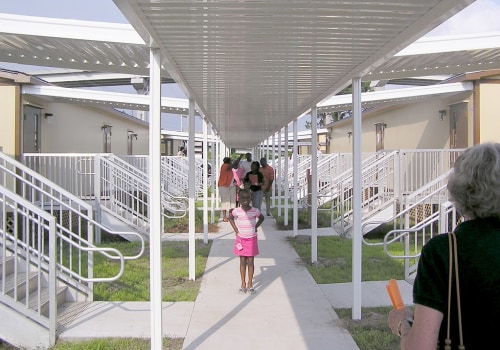
A comfortable school environment begins with cleanliness, organization, and a sense of care throughout the building. Classrooms, hallways, libraries, cafeterias, and shared spaces should be kept tidy so students and staff can focus on learning and daily responsibilities without unnecessary distractions. Good lighting, fresh air, appropriate temperatures, and well-maintained furniture also contribute to a positive atmosphere. When a school feels clean and orderly, it can create a stronger sense of safety and pride among everyone who uses the space. Regular maintenance is especially important because small issues such as leaks, broken fixtures, clutter, or damaged surfaces can quickly affect how comfortable and functional the school feels.
Comfortable Classrooms for Learning
Classrooms should be designed to support concentration while also making students feel at ease. Comfortable seating, clear walkways, organized learning materials, and enough space for movement can improve the overall experience. Teachers may also benefit from having practical storage, reliable technology, and flexible layouts that allow them to adapt the room for different lessons or activities. Noise levels should be managed whenever possible, especially in schools with busy corridors or shared walls. Simple improvements such as curtains, rugs, acoustic panels, or thoughtful furniture placement can help reduce distractions and create a calmer environment where students are better able to participate and stay engaged.
Healthy and Well-Maintained Shared Spaces
Common areas such as cafeterias, bathrooms, gyms, and staff rooms play a major role in how comfortable a school feels. These spaces need frequent cleaning because they are used by many people throughout the day. Proper waste disposal, routine sanitation, and quick attention to spills or maintenance problems can help prevent unpleasant odors and reduce hygiene concerns. Schools should also watch for conditions that could attract insects or rodents, particularly around food preparation areas, storage rooms, and outdoor entrances. Professional services such as Mr. Pest Control may be useful when schools need help identifying pest risks and taking preventive steps to keep facilities cleaner and more comfortable.
A Sense of Safety and Belonging
Physical comfort is only one part of a positive school environment. Students and staff should also feel respected, supported, and secure. Clear rules, approachable teachers, helpful administrators, and open communication can contribute to a stronger sense of belonging. Students are more likely to feel comfortable when they know where to go if they need assistance and when they believe their concerns will be taken seriously. Staff members also benefit from a workplace culture where communication is professional and expectations are clear. A supportive atmosphere can make daily routines less stressful and encourage stronger relationships throughout the school community.
Outdoor Areas That Encourage Breaks
School grounds can also affect comfort and well-being. Shaded seating, clean playgrounds, maintained sports areas, and safe walking paths give students and staff places to take breaks and enjoy fresh air. Outdoor spaces should be checked regularly for damaged equipment, standing water, litter, or overgrown vegetation that could create safety or pest concerns. Well-maintained landscaping can improve the appearance of the campus while also helping outdoor areas feel more inviting.
Creating a Better Everyday Experience
A comfortable school environment depends on many small details working together. Clean facilities, functional classrooms, healthy shared spaces, supportive relationships, and well-maintained outdoor areas all contribute to a better daily experience. By paying attention to both physical conditions and the needs of the people using the school, administrators can create an environment that supports learning, productivity, and well-being for students and staff alike.